
A bottom-up approach to sustainable regional development in action
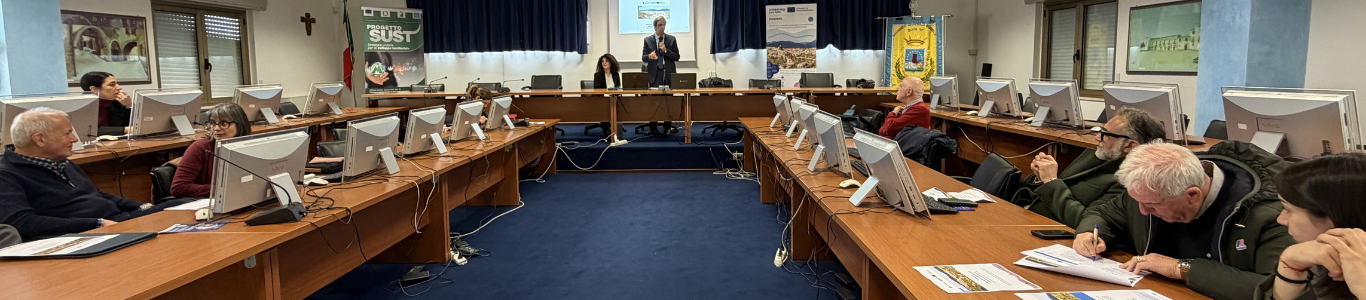
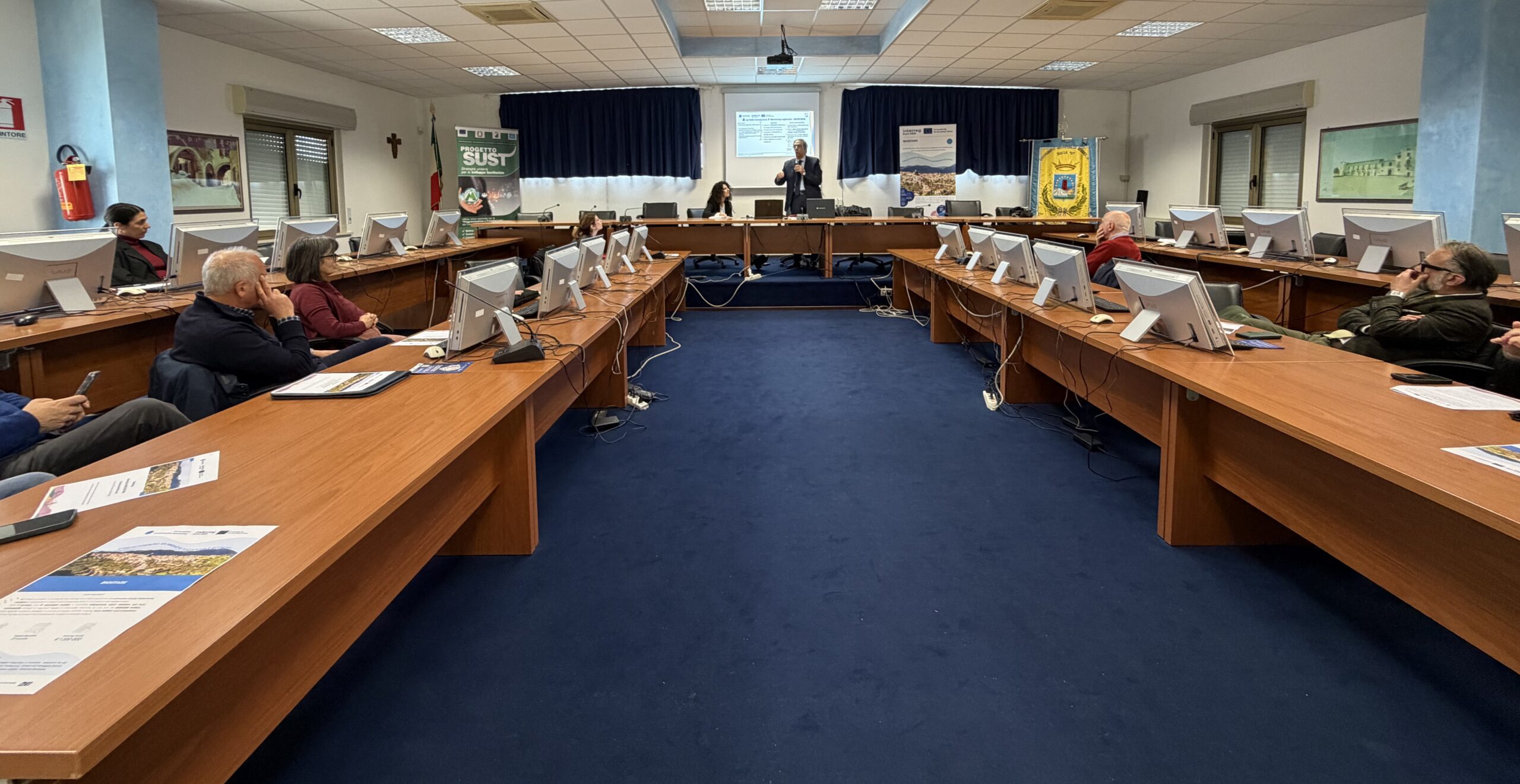
On 6 March 2026, the BIOSTARS project successfully held its third regional workshop in Secinaro, in the heart of the Subequana Valley (L’Aquila, Italy). The in-person event represented a key milestone for the project in Italy, marking the transition from initial engagement activities to a more structured phase of territorial co-creation.
Organised by CUEIM – University Consortium for Industrial and Managerial Economics, in collaboration with the Sirentina Mountain Union and supported by the Special Office for the Reconstruction of the Crater Municipalities (USRC), the Gran Sasso Science Institute (GSSI) and UNIVAQ, the workshop brought together a wide and diverse group of local stakeholders.
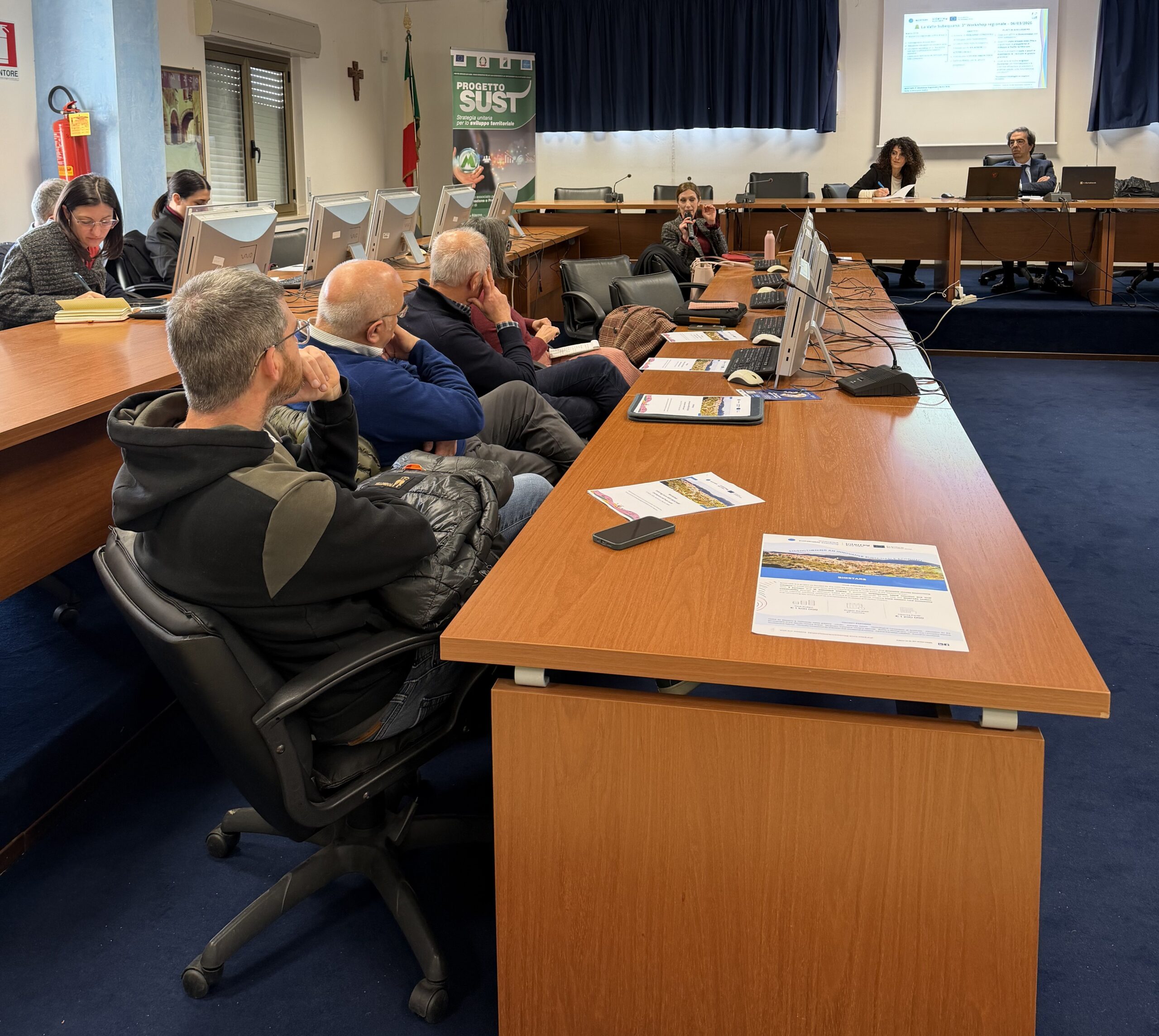
Participants and approach
The workshop gathered representatives from municipalities of the Subequana Valley, protected areas, community cooperatives, research institutions, local businesses and civil society organisations, confirming a strong and growing local ecosystem around the BIOSTARS initiative.
The meeting built directly on the previous online workshops and aimed at advancing the establishment of the BIOSTARS Local Hub as a permanent space for dialogue, collaboration and capacity building.
The participatory format fostered an open and multi-level discussion on development pathways for the territory, combining institutional perspectives, academic insights and grassroots experiences.
Territorial vision and institutional framing
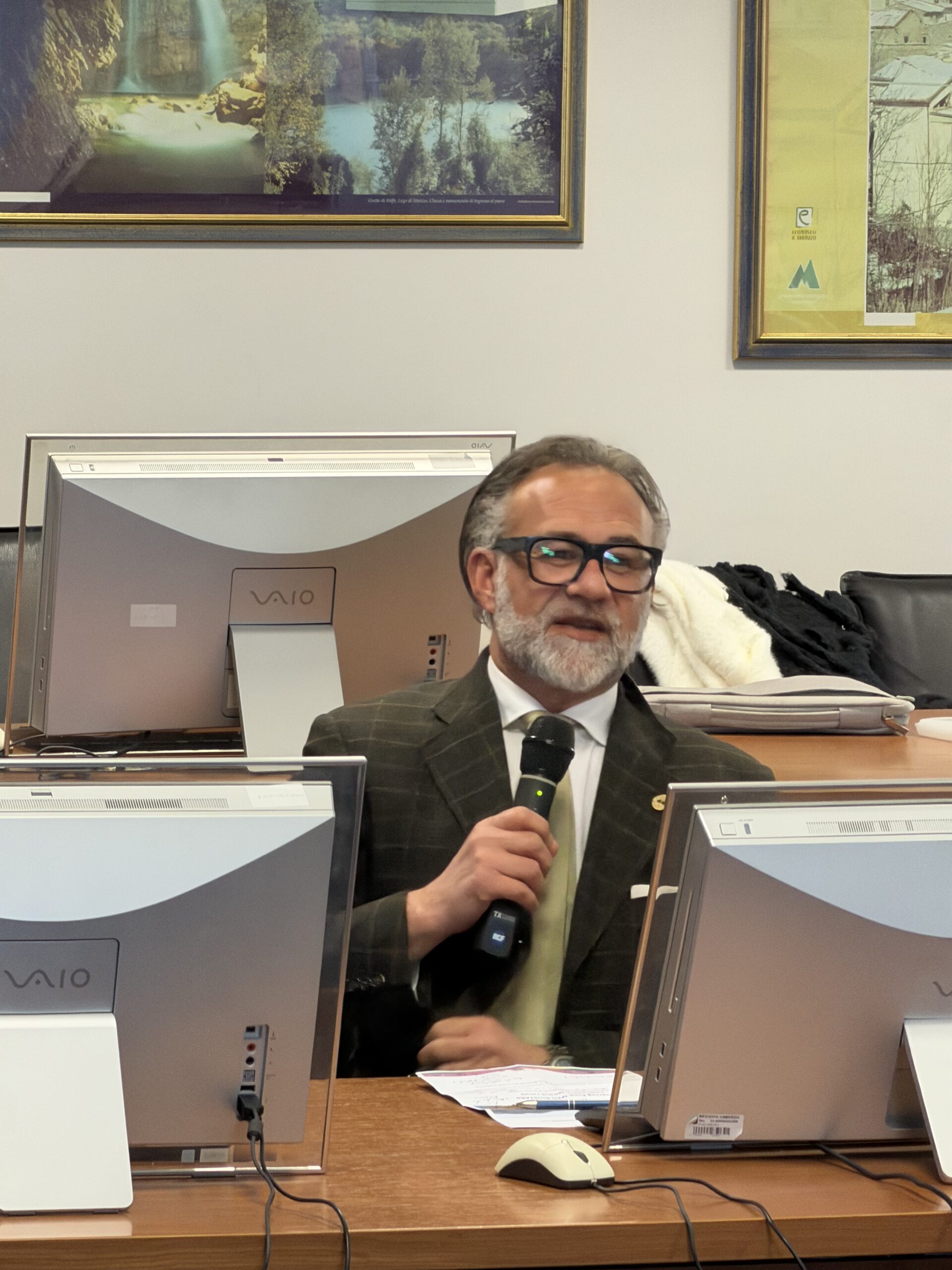
In his opening remarks, the Mayor of Secinaro, Luigi Fasciani, outlined the territorial framework of the Subequana Valley, which includes 29 municipalities within a broader Inner Areas strategy.
He highlighted ongoing efforts to activate development pathways despite structural constraints, including targeted calls for professionals and support measures for enterprises and young entrepreneurs. Particular attention was given to the opportunities linked to the European Social Fund, expected to provide relevant resources for local economic development.
The intervention emphasised that the BIOSTARS initiative is aligned with current territorial priorities, offering tools and strategic guidance for local actors. At the same time, a cautious optimism was expressed regarding the possibility of translating existing opportunities into concrete development outcomes.
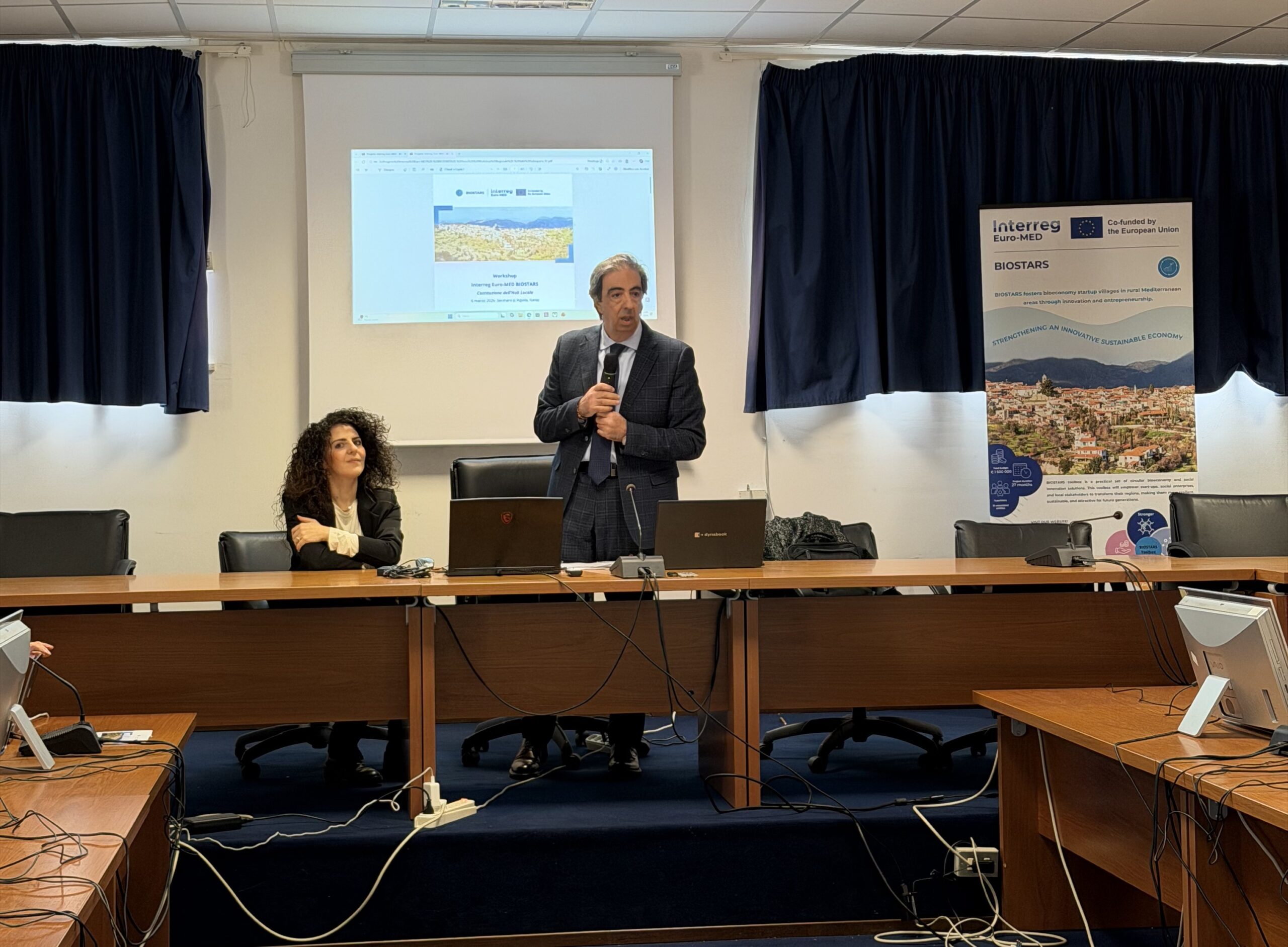
BIOSTARS framework and Local Hub vision
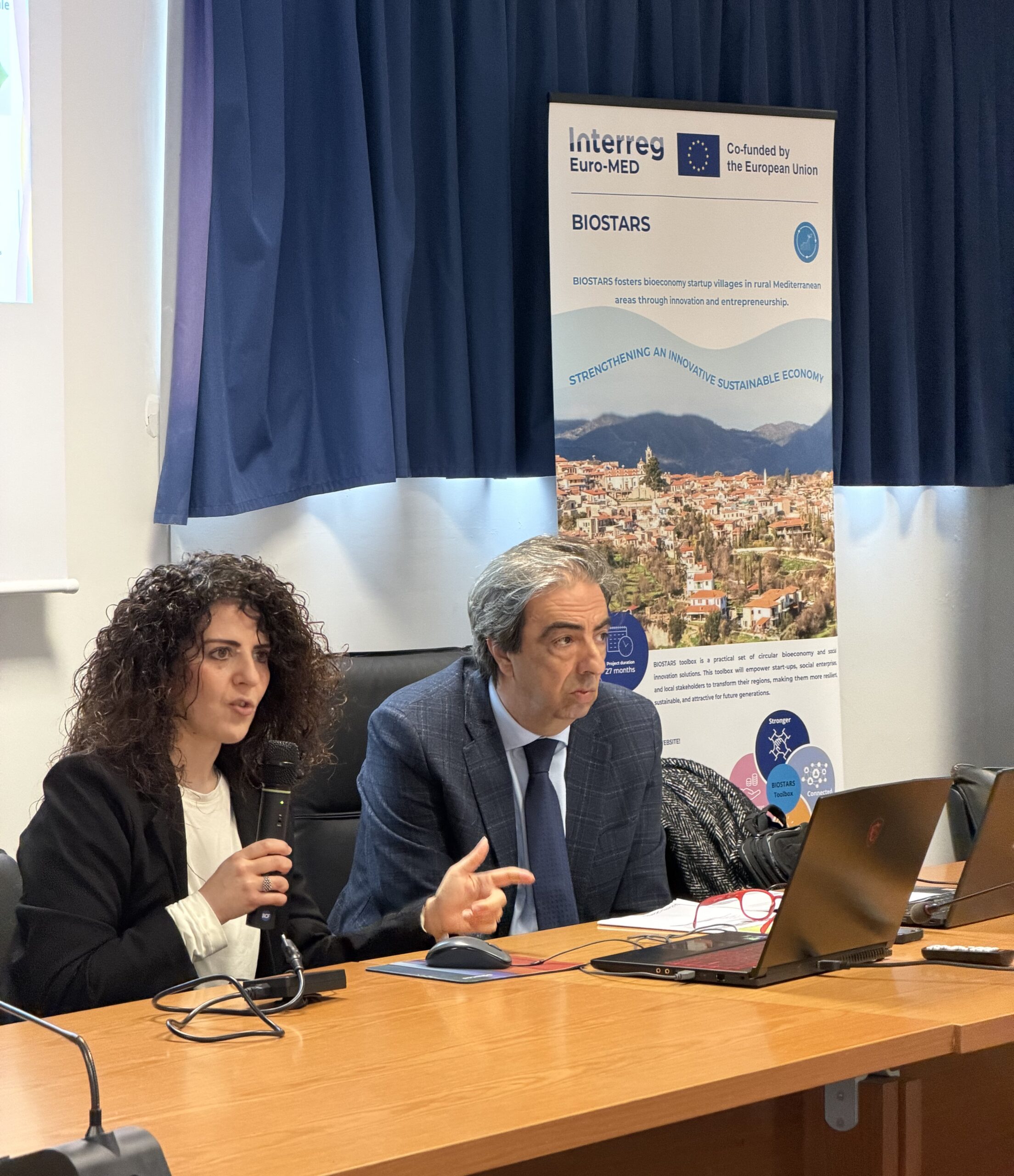
Valentina Oliviero (BIOSTARS Project Manager, CUEIM) formally opened the technical session by highlighting the importance of a bottom-up approach, in which the relevance of the project emerges directly from territorial contributions rather than being defined in advance from outside.
After recalling CUEIM’s long-standing experience in managing European projects on sustainability, circular economy and innovation, she presented BIOSTARS, a transnational project involving nine Mediterranean countries. The initiative aims to transfer and adapt solutions developed in previous European projects while fostering mutual learning and exchange between territories.
She explained how BIOSTARS builds on previous collaborations and ongoing territorial initiatives, including work developed in cooperation with the University of L’Aquila. The project focuses on rural bioeconomy and circular economy solutions, with particular emphasis on agro-food and bio-based sectors, including the valorisation of organic waste, residues and biological resources. At the same time, the approach remains open and flexible, allowing the integration of related fields such as tourism and other complementary value chains.
A key element of BIOSTARS is the development of Local Hubs, conceived as both physical and virtual spaces for collaboration, knowledge exchange and co-design. These hubs are not designed as top-down structures, but as shared environments where local initiatives can emerge, connect and grow.
Institutional, academic and territorial contributions
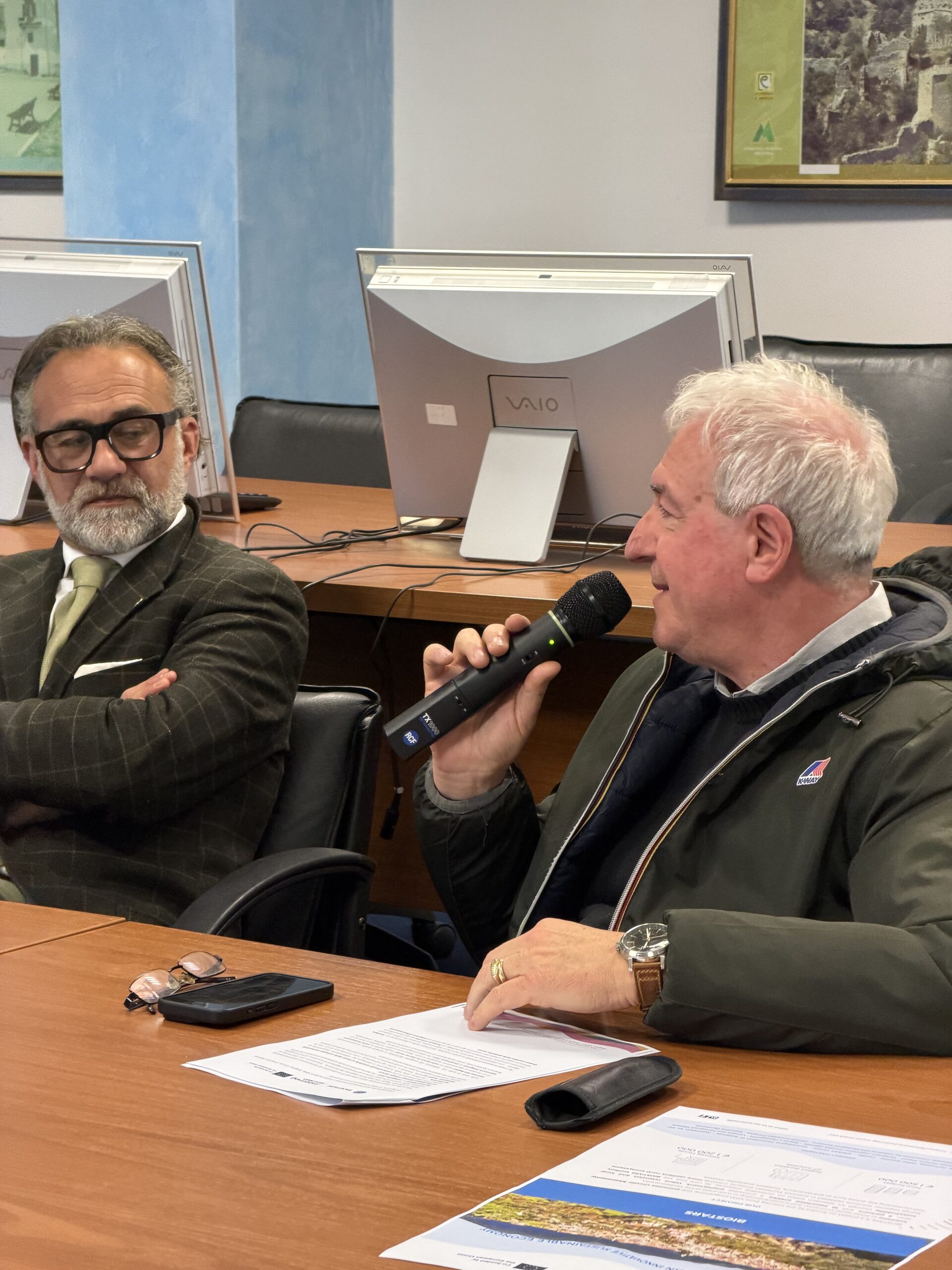
The discussion was enriched by contributions from institutional, academic, technical and territorial actors, reflecting the multi-level nature of the BIOSTARS approach.
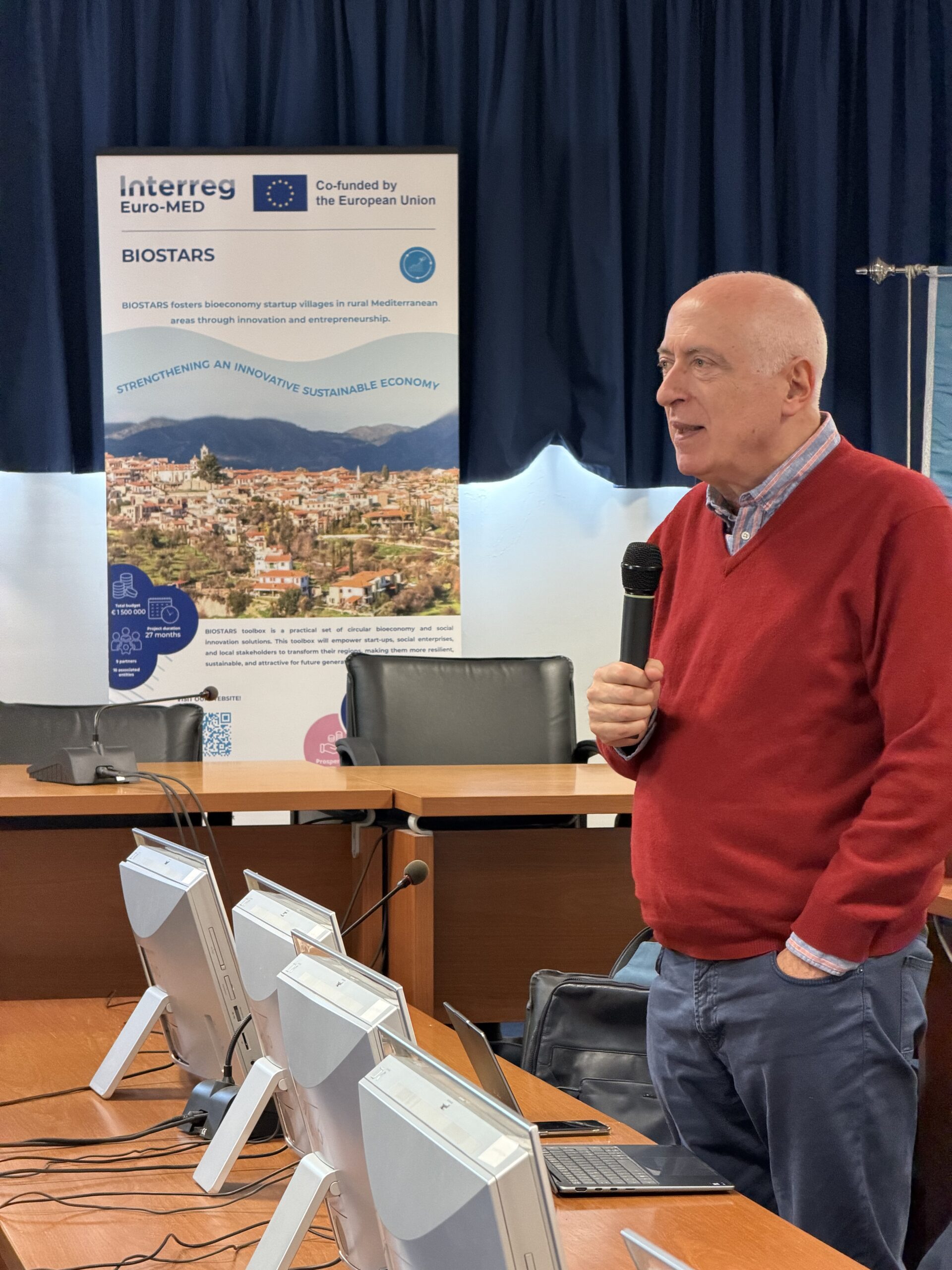
Interventions from research and institutional representatives highlighted the importance of integrating scientific knowledge and territorial governance to support more effective and realistic development strategies. In particular, attention was given to the role of bioeconomy in the green transition, the need for capacity building and inter-territorial cooperation, and the strategic value of protected areas in enabling sustainable development models.
From a territorial and institutional perspective, contributions stressed the cultural, environmental and economic potential of the Subequana Valley, with particular reference to agro-food systems, rural landscapes and tourism linked to pilgrimage routes. The importance of integrating agriculture, tourism and local value chains into more coherent development strategies was widely acknowledged.
Across all contributions, local stakeholders — including municipal representatives, entrepreneurs and cooperative actors — highlighted shared priorities such as the need for stronger coordination among existing initiatives, as well as more structured support for planning, training and business development processes.
Community-based development and local entrepreneurship
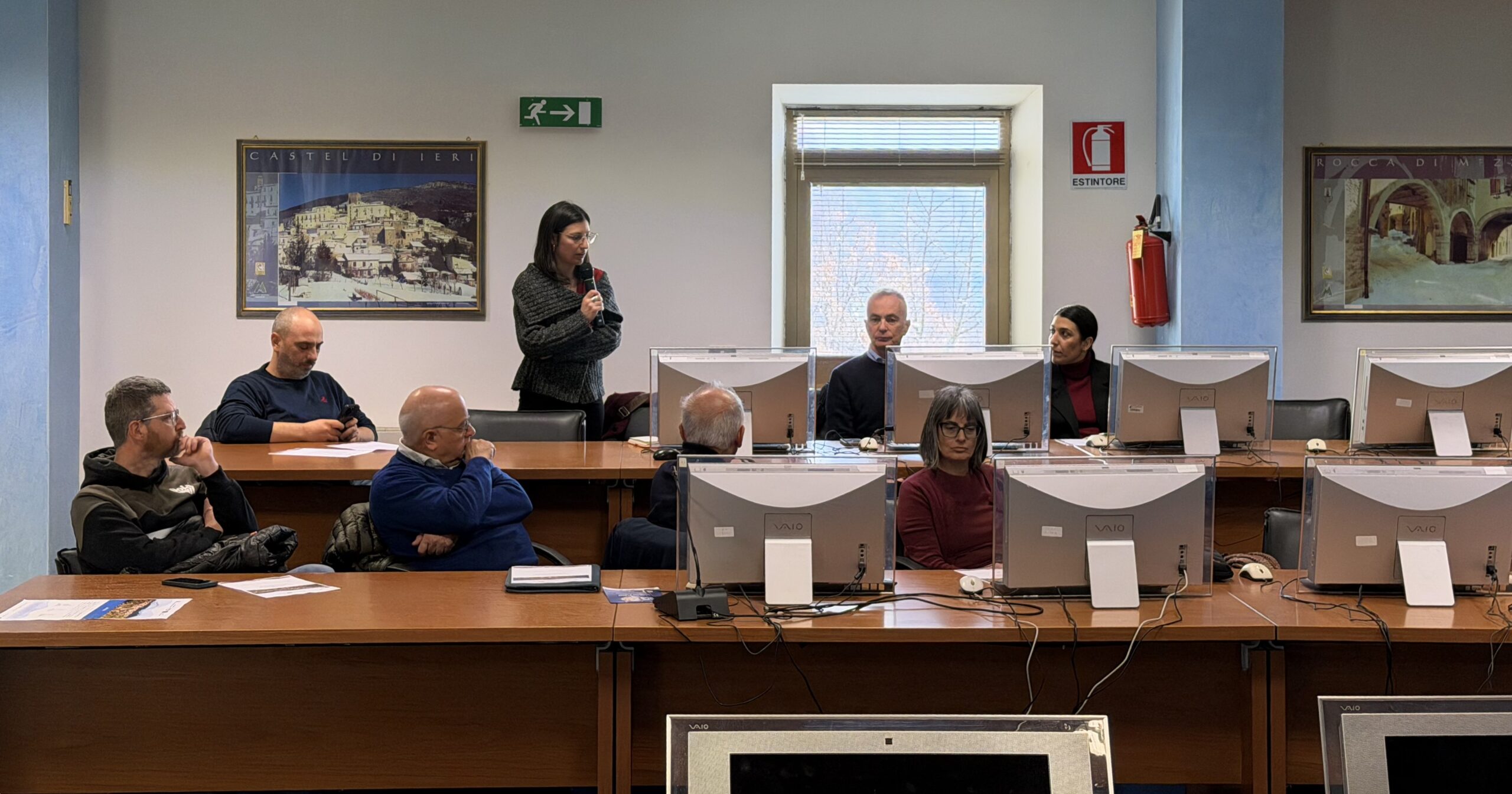
Community-based organisations and local entrepreneurship played a central role in the discussion, with contributions reflecting a wide range of experiences across the territory.
Community cooperatives and local initiatives highlighted both the potential and the structural challenges of bottom-up development models, particularly in relation to depopulation, ageing population and the difficulty of ensuring long-term continuity and sustainability of projects.
Practical experiences related to community services, local mobility, housing regeneration, social innovation and rural entrepreneurship were presented as concrete examples of how community-led initiatives can contribute to territorial resilience and local development.
At the same time, participants emphasised the need for more operational tools, stable support mechanisms and long-term strategies capable of both retaining and attracting population, as well as strengthening the overall capacity of local systems to generate sustainable development pathways.
Key thematic insights
Across the discussion, several cross-cutting themes emerged:
- Depopulation and demographic decline as structural challenges.
- Fragmentation of local initiatives and need for coordination.
- Importance of agro-food, forestry and tourism value chains.
- Centrality of natural capital and ecosystem services.
- Need for stronger administrative and planning capacity.
- Role of cooperatives and SMEs in territorial development.
- Importance of connecting local initiatives to European networks.
A recurring message was the need to move from fragmented strategies to an integrated territorial vision, capable of linking existing programmes such as SNAI, Green Communities, forest-based initiatives and other local development frameworks.
BIOSTARS as a bridge between knowledge and action
The workshop reaffirmed the role of BIOSTARS as a bridging platform between research, institutions, enterprises and communities.
The Local Hub was confirmed as a key operational tool to:
- Connect stakeholders.
- Systematise existing initiatives.
- Support training and capacity building.
- Facilitate access to European knowledge and networks.
- Co-design new development pathways.
The importance of adapting, rather than simply transferring, solutions from previous projects such as BIOLOC and REVIVE was strongly emphasised, ensuring alignment with local realities and needs.
Results and next steps
The workshop delivered highly positive results, strengthening stakeholder alignment and consolidating the co-creation process in the Subequana Valley.
It also provided a solid basis for the operationalisation of the Local Hub and for the launch of upcoming activities, including training and mentoring programmes, as well as further participatory meetings scheduled for 6–7 May 2026 in the Subequana Valley.
These next steps will focus on structuring the stakeholder group, identifying priority value chains, mapping training needs and translating territorial insights into concrete development actions.
Therefore, the Secinaro workshop represented a decisive step in the BIOSTARS journey in Italy. By bringing together institutions, research bodies, businesses and local communities in a shared space of dialogue, the project contributed to the emergence of a more integrated, resilient and collaborative model of rural development.
Through the co-creation of the Local Hub and the activation of European networks, BIOSTARS will continue to translate its vision into concrete action, supporting the long-term sustainability of inner areas in the Subequana Valley and beyond.