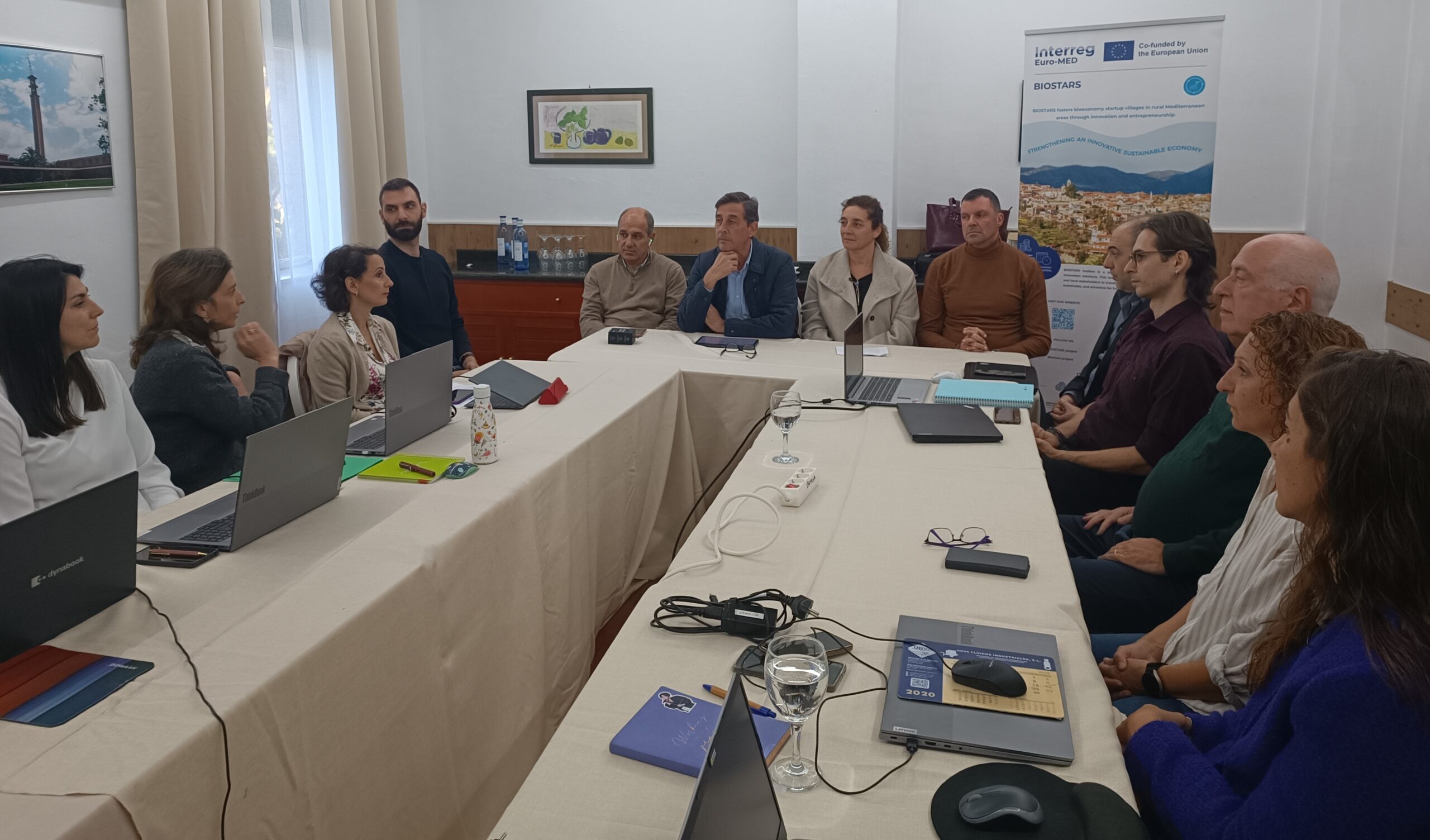
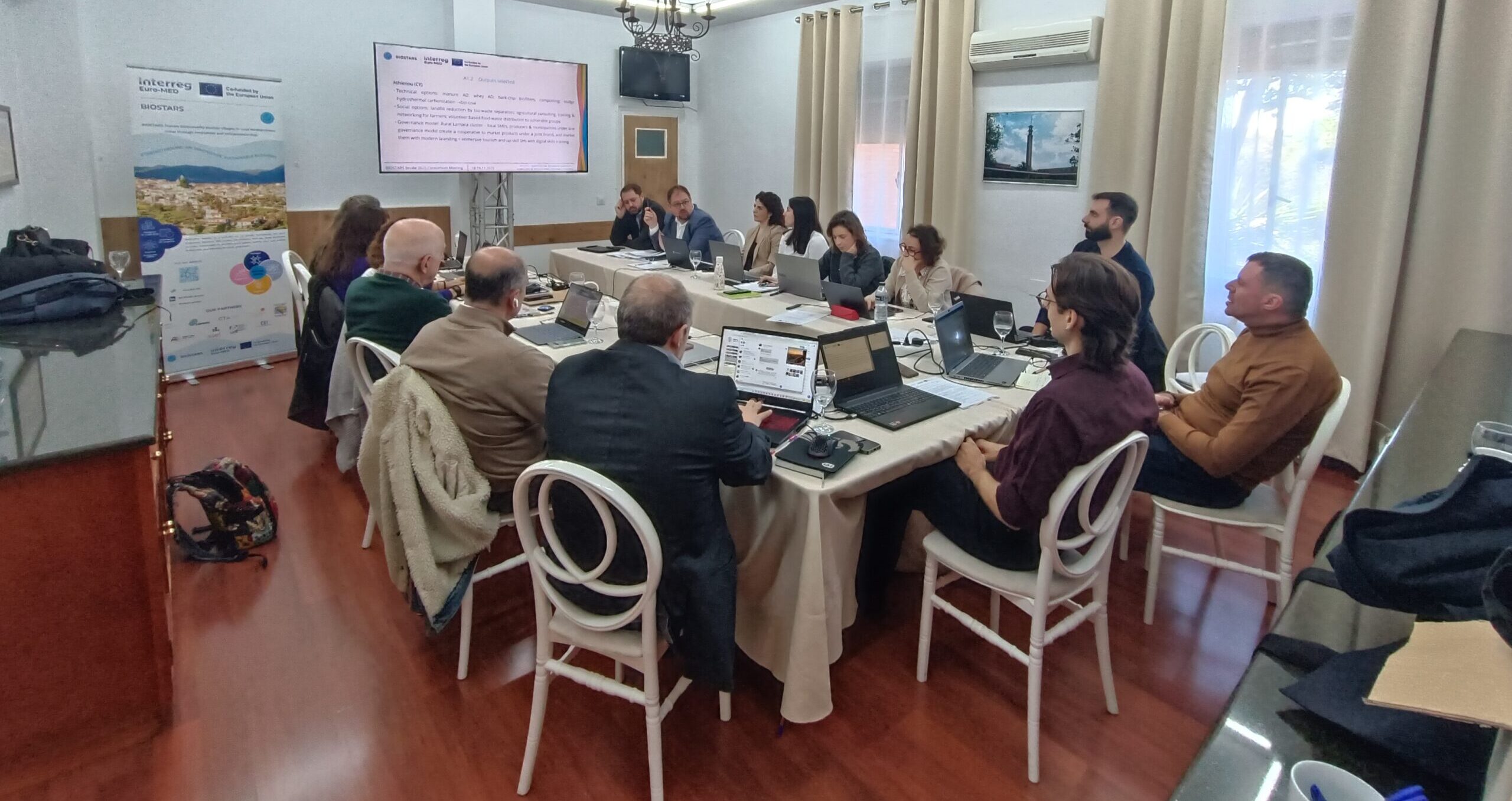
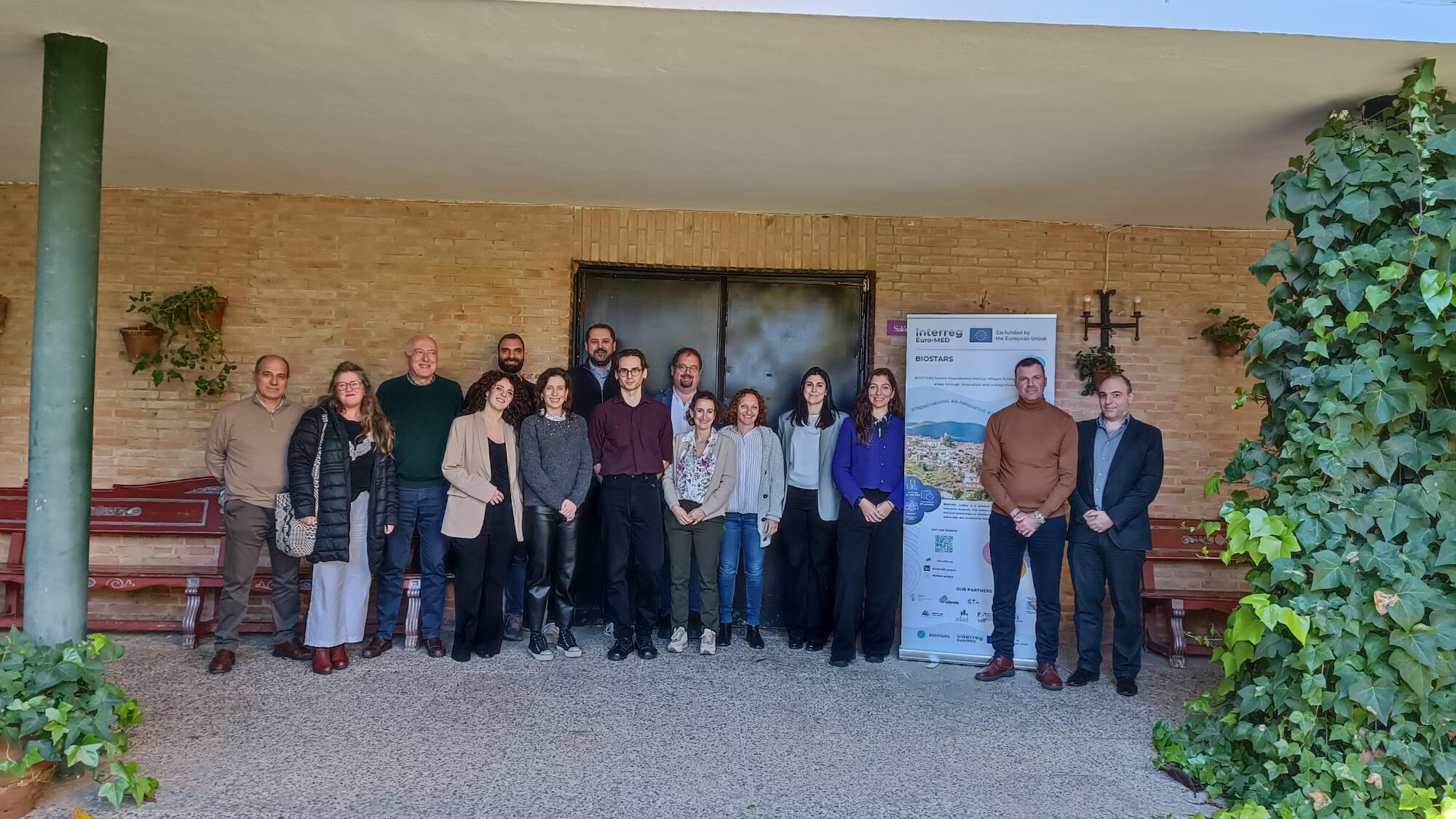
BIOSTARS partners met in Pilas (Seville) to advance the creation of Mediterranean bioeconomy startup villages and strengthen collaboration for the project’s upcoming phases.
The BIOSTARS project brought its consortium together last week in Pilas (Seville) for a key meeting aimed at accelerating the development of bioeconomy startup villages across rural Mediterranean areas. Held on 18–19 November, the two-day gathering provided an opportunity to review the project’s technical and operational progress, align upcoming activities and reinforce collaboration among partners from across the Euro-Mediterranean region.
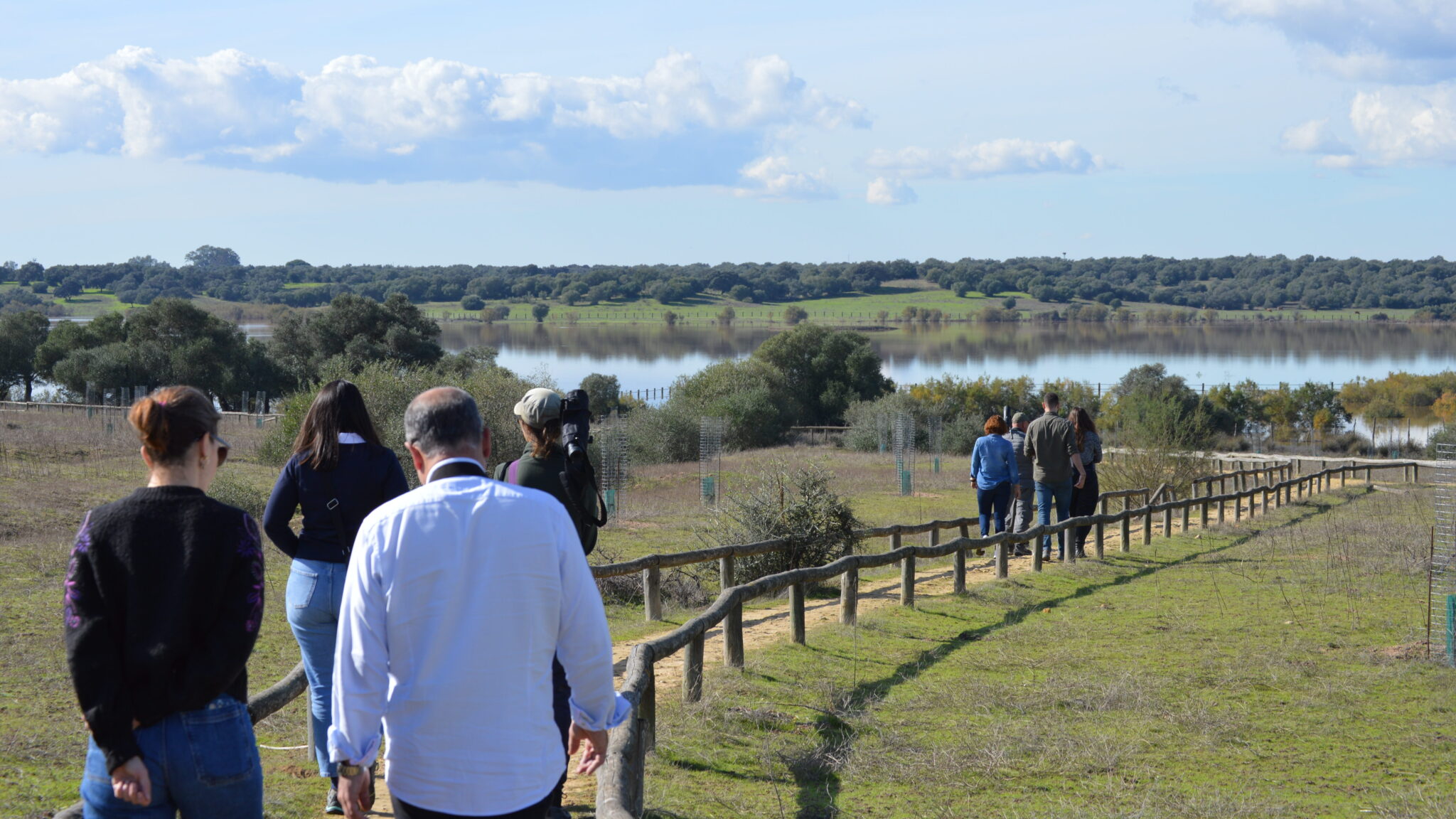
Discussions focused on milestones within the BIOSTARS Toolbox, pilot implementation, scalability strategies and communication actions, setting a solid foundation for the next phase of work. As part of the meeting, partners also took part in a field visit to the Dehesa de Abajo Nature Reserve, located in the Doñana area, where they explored the ecological value of the site and reflected on the importance of integrating sustainability criteria into territorial development models.
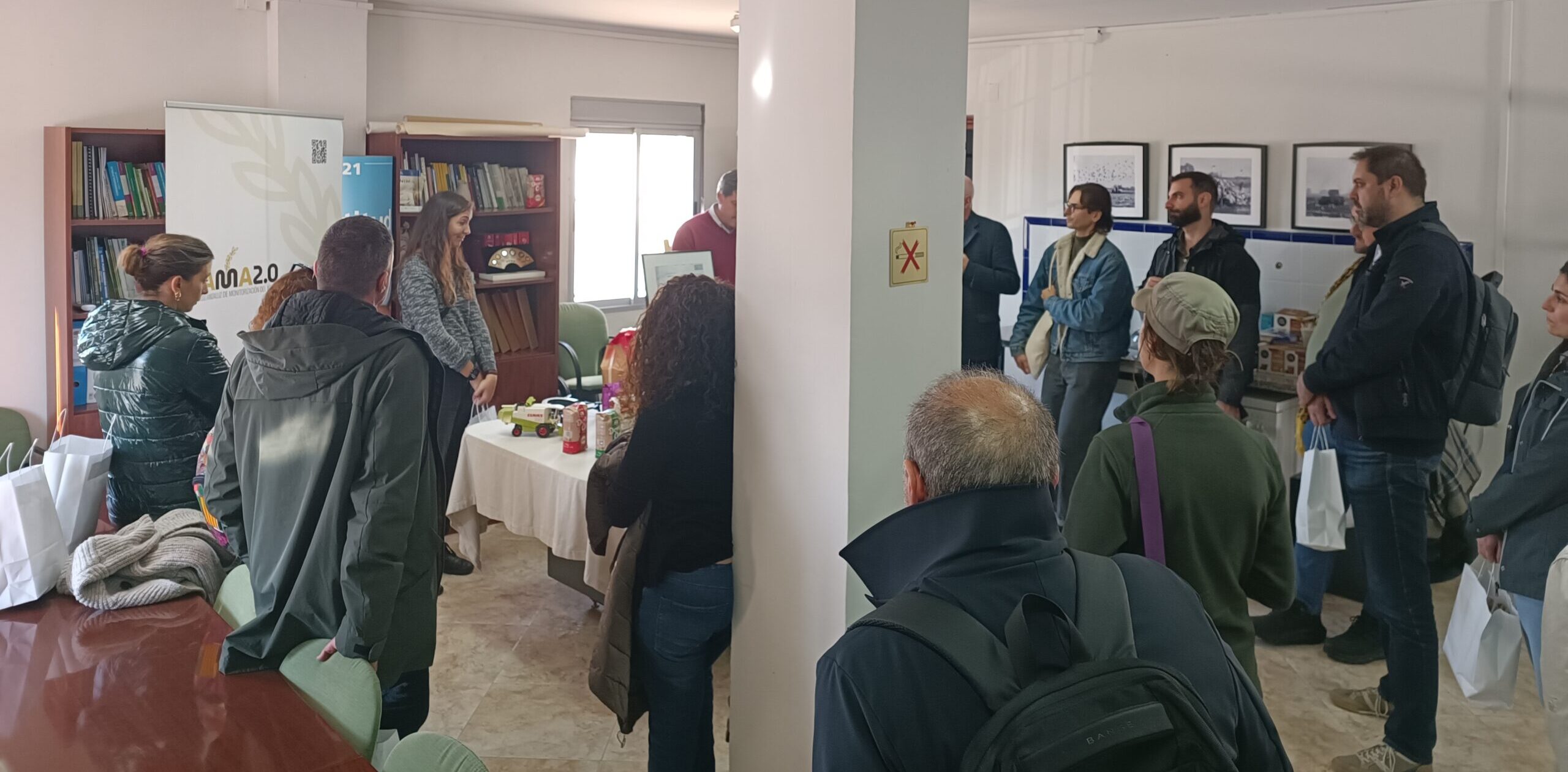
The visit continued at the Seville Rice Growers Federation (FAS), where participants learned how the local rice sector is adopting innovative solutions to optimise resource use, improve crop quality and reduce its carbon footprint. FAS also presented SAMA 2.0, an advanced agromonitoring platform that combines IoT, Artificial Intelligence, data analysis, satellite imagery and UAV-based hyperspectral technologies.
This in-person meeting strengthened cooperation across the consortium and contributed to building a shared roadmap to boost social innovation, sustainable entrepreneurship and circular bioeconomy opportunities in rural Mediterranean territories through the BIOSTARS initiative.